
Witchcraft, that enigmatic practice intertwined with magic and mysticism, reaches deep into the dawn of human development. Exploring the history of witchcraft: evolution of the magical world across ages and cultures serves as a sacred map, revealing how our perception of the arcane has shifted and how its influence has permeated every facet of human existence. From ancient civilizations to the modern era, the magical world has continuously transformed, adapting to cultural shifts and the evolution of human consciousness.
The Primordial Roots of Witchcraft
Magic was no mere byproduct of later civilizations; it formed the foundational cornerstone of primordial societies that would shape the trajectory of human development. Since the dawn of humanity, our ancestors recognized the existence of forces beyond mortal comprehension influencing our reality. These forces, whether manifested as natural elements or spiritual entities, were the focus of their reverence and attempts at communion. Ancient rituals and sacred symbols bear testament to their yearning to understand these currents and channel them to manifest their desires.
Magic has its origins buried deep within our prehistoric past. Picture a courageous ancestress clad in wild beast skins, enveloped in the darkness of a sacred cave while a fire flickers in a hearth of wood. To her, magic was no mere myth, but a vital conduit of communication with the invisible forces that enveloped her very existence.
In ancient societies, magic was woven into the very fabric of daily life. Humanity could not dissociate itself from Nature and her eternal cycles—and it was these very cycles that whispered of things transcending rational intellect. Awe for the radiant sun, the mysteries of the starlit night, and the mighty swell of rivers—all were symbols of an infinite power that humanity felt deeply but could not explain.
Early humans understood that they could commune with and influence these forces. Birth, death, harvest, and love—these were the pivotal thresholds where magic could be invoked to garner favor from the unseen realm. Ancient rituals served as bridges, linking our mortal realm with the invisible world inhabited by deities and spirits. Symbols and gestures were the language through which they spoke to the stars, the winds, and the trees, entreating them for strength and protection.
These primordial roots of magic offer a profound glimpse into how deeply the yearning to comprehend the unseen is etched into the human soul. Though the modern world may seem to have drifted far from these origins, the truth remains that magic is still alive and pulsing within our collective subconscious. Our eternal quest to know, master, and converse with that which lies beyond the veil of perception is proof that the ancient legacy of magic walks beside us even today.
Shifting Perspectives: Ancient Wisdom and Medieval Decline
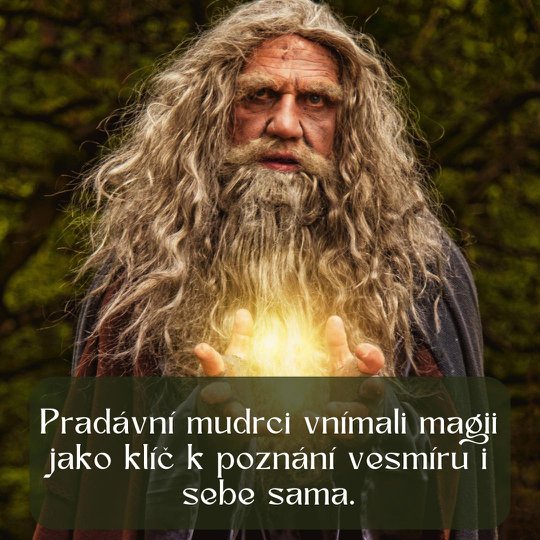
The Middle Ages brought a dramatic turning point in how magic was perceived. While ancient cultures revered magic as a pursuit of wisdom and communion with nature, medieval Europe fell under the dominion of the Church, which branded magic and witchcraft as heretical sins against God. This shift in perspective had profound societal consequences—turning practitioners into the accused, and branding those who sought to understand the cosmos as heretics.
The history of witchcraft is inextricably linked to shifting perspectives and societal values. Ancient civilizations such as Egypt, Greece, and Rome viewed magic as an organic aspect of the natural order. It was perceived as high wisdom, a sacred alignment with nature and the spiritual realm. Scholars and mystics sought to comprehend the flow of life, the celestial influence of planets upon mortal destiny, and the currents of energy pulsing through the cosmos. This magical practice was not merely a means to achieve earthly desires, but a path to harmony with cosmic forces.
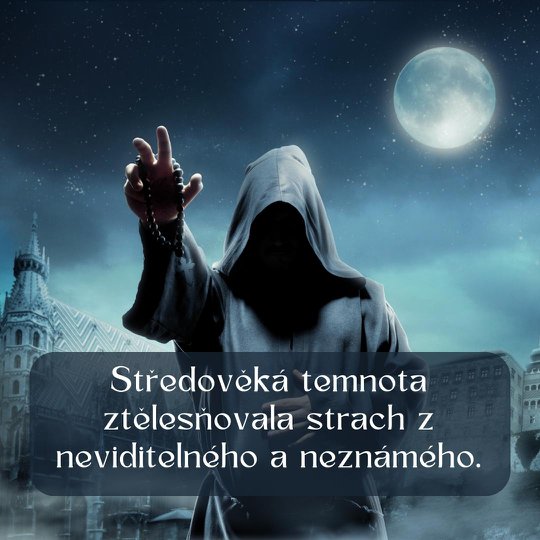
However, the Middle Ages marked a dark and dramatic departure from these views. With the rise of Christianity and the dominance of the Church in European thought, magic was reevaluated and demonized. Medieval Europe found itself under the shadow of a rigid ecclesiastical authority that condemned magic as a crime against the Divine. What was once revered as wisdom and enlightenment was now proclaimed a deadly sin. Magic became synonymous with diabolical influence over the human soul. In this fear-laden atmosphere, the systematic persecution of witches and sorcerers began, accusing them of pacts with dark entities.
This paradigm shift had devastating consequences for society. Accusations of witchcraft became a pretense for persecution, torture, and the execution of thousands. Those who dared to seek understanding of the universe through magic and esoteric practice were branded as heretics, living under constant threat. The freedom of open inquiry and experimentation with magical arts was severed.
The medieval degradation of magic did not merely sever ties with ancient traditions; it stifled the evolution and innovation of spiritual knowledge. The pursuit of the arcane was ruthlessly suppressed in favor of dogmatic religious doctrine. Yet, the human soul’s yearning to unlock the mysteries of the universe could never be fully extinguished. Thus, magical wisdom endured in the shadows, whispered in secret societies and passed down through silent family lineages.
The Renaissance of the Modern Era: A Resurgence of the Arcane
The Renaissance, a golden age of rebirth in art, science, and philosophy, had a profound impact on the resurgence of magical interest. It was not merely a revival of classical antiquity and cultural values, but an era when humanity reclaimed faith in its own potential to explore and decode the secrets of the cosmos. Sacred symbols, alchemy, and Hermetic teachings were studied as keys to understanding not only the macrocosm of the outer universe, but also the microcosm of the human soul.
During the Renaissance, magic was understood as a sacred art to penetrate the deeper layers of reality and unveil the hidden principles of existence. Alchemists sought not only to transmute base metals into noble gold, but actively pursued spiritual transmutation and the attainment of immortality. Magical practices were regarded as a sacred medium to discover the deeper meaning of life and human destiny.
Renaissance philosophers immersed themselves in the relationship between the microcosm (man) and the macrocosm (the universe), a core tenet of Hermeticism. Magical and esoteric symbols were treated as sacred keys to unlocking the mysteries of creation. Through these studies, magic once again emerged as a respected instrument for spiritual enlightenment and personal evolution.
Thus, the Renaissance of the modern era brought not only a renewed fascination with the occult, but a deeper comprehension of its significance. Magical teachings became integrated into scientific and philosophical discourse; though modern minds might view these realms as opposing, the Renaissance united them in a singular quest for truth and universal understanding.
Modern Practice and Contemporary Perspectives
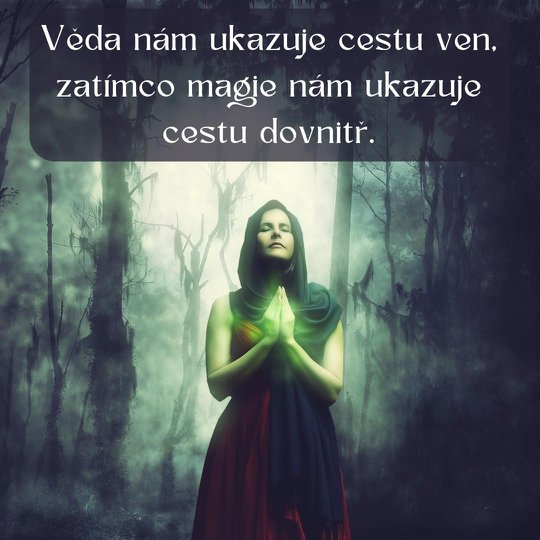
Today's world is a diverse mosaic of perspectives on the spiritual and the mundane. While some dismiss magic as mere illusion or pseudoscience, others revere it as a profound path toward personal growth and spiritual enlightenment. Modern magical practices encompass a vast spectrum of techniques, from meditation and visualization to formal ritual and spellcraft. Contemporary witches and mages strive to balance traditional lore with modern scientific understanding, expanding the boundaries of what is possible.
Indeed, many practitioners do not even claim these titles. Instead, they work quietly with the fundamental principles of witchcraft, such as metaphysics and the law of manifestation, consciously shaping and transforming their reality without ever adopting the label of a witch.
Conclusion
The history of witchcraft is a fascinating window into the evolution of human thought and our eternal quest to comprehend the invisible. From primordial rituals to contemporary magical arts, this legacy demonstrates how deeply magic is rooted in the human spirit. It is a chronicle not only of shifting views on the occult, but of the evolution of how we perceive the universe and our own divine nature within it.
